Pipe Insulation Contractor in Washington
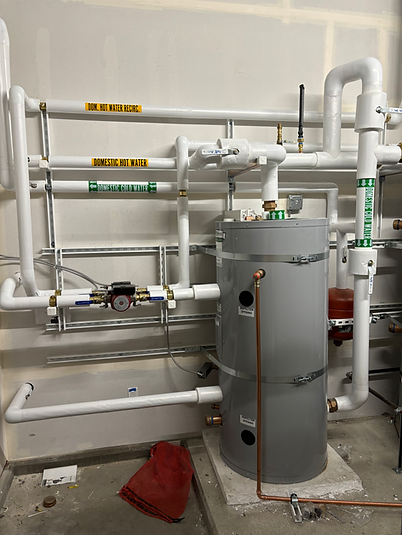
InsulDynamics is a pipe insulation contractor serving commercial buildings, industrial plants, and marine work in Washington. We insulate hot, chilled, domestic, and process piping so lines hold temperature, stay dry, and are safe to work around.
Pipe covering is one of the highest-return parts of a mechanical system. Uninsulated or damaged pipe wastes energy, sweats in Puget Sound humidity, and can put people at risk on hot lines. We install specified systems on new construction, tenant improvements, maintenance, and retrofits throughout Whatcom, Skagit, Snohomish, King, and Pierce counties.
1
What Pipe Insulation Does
Limits heat loss on hot water, steam, and hydronic heating lines
Limits heat gain on chilled water and refrigerant piping
Controls condensation on cold pipes in Washington’s marine climate
Provides personnel protection on high-temperature lines
Supports energy code and engineer’s spec on commercial and industrial jobs
On a typical commercial or industrial job, the pipe insulation scope is what keeps the mechanical system on design. If covering is missing, crushed, or wet, the owner pays for it in energy, drips, and call-backs. We install to the spec so the system performs the way it was drawn.
2
Systems We Insulate
Hot piping. Heating hot water, steam, condensate, and process lines that have to hold temperature from the mechanical room to the terminal or equipment.
Chilled and cold piping. Chilled water, refrigerant, and other cold lines that sweat if they are left bare. Condensation control matters in mechanical rooms, plenums, crawl spaces, and anywhere Washington humidity can reach the pipe.
Domestic water. Hot and cold domestic lines in commercial buildings, multifamily, healthcare, and similar occupancies where heat loss, heat gain, and sweating show up as occupant complaints.
Process piping. Plant and industrial lines where temperature, personnel protection, and spec compliance drive the material and thickness.
3
Where We Install It
-
Commercial mechanical rooms, shafts, and occupied buildings
-
Industrial process piping, tanks, and related lines
-
Marine piping in engine rooms and on systems that require covering
-
New construction, tenant improvements, and retrofit replacement of damaged or missing insulation
We work with general contractors, mechanical contractors, facility managers, and plant staff. If the pipe is in a live building or an operating plant, we plan the work around access, occupancy, and safety rules instead of treating it like an empty shell.
4
Materials and Finish
Materials depend on temperature, location, and the spec. Common systems include fiberglass pipe insulation, elastomeric (closed-cell) insulation on cold lines, mineral wool on higher-temperature work, and other specified products such as cellular glass or calcium silicate where the engineer calls for them.
Jacketing follows exposure. PVC is typical indoors. Aluminum or other metal jacket is used outdoors, in washdown areas, and anywhere the spec requires a harder finish. Fittings, valves, and irregular surfaces are covered so the system is continuous — not just the straight runs.
5
Who This Page Is For
This work is mechanical insulation, not attic or wall insulation. If you are bidding a commercial, industrial, or marine job in Washington and the drawings call for pipe covering, that is the scope we price. We also replace failed insulation on existing systems where energy loss, condensation, or personnel protection has become a problem.
